Reviews
Best book you've never read
The Impersonators, Jessica Anderson
First published Sydney Morning Herald, May 21 2005
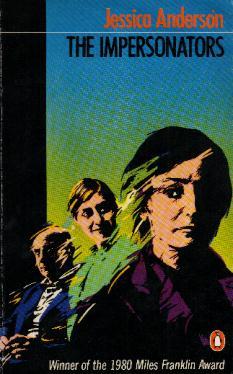 I read this book during the week another corporate crook went to jail in real-estate obsessed Sydney, during the desolate Howard years. Jessica Anderson’s 25-year-old novel, The Impersonators, chronicles it all – the ethical vacuum, the cultural emptiness, the bored affluence – with breathtakingly contemporary ruthlessness.
Winner of the Miles Franklin in 1980, The Impersonators lays its cards on the table in the opening pages: dying curmudgeon Jack Cornock has summoned his solicitor to his stately Wahroonga home in order to amend his will. The silent warfare of his marriage is no secret, but still his wife Greta refuses to admit she’s selling the Persian rugs to pay bills, nor that she’s enduring the fight of her life – for her dignity. And telephone lines across Sydney, between the couple’s adult children, are zinging with the news that Sylvia, Jack’s favoured daughter from his first marriage, is coming home after twenty years in Europe, provoking rampant speculation over his will.
Meanwhile, the Cornock children have their own worries. One’s financial swindler husband may go to jail; another spends her life pining for better real estate, traipsing through empty homes she can’t afford, only dimly aware of how this material discontent is beginning to leach her marriage of meaning. And Sylvia, who has lived with a dogged, yet contented frugality for decades, grows aware not only that her father is using her to destroy his wife, but also of a darker, more shocking truth: she wants the family money.
But the star of the novel is Molly – Sylvia’s mum, Jack’s brassy, sulky, Westie first wife. (Although Burwood can hardly any longer be considered the ‘outer suburbs’, I’m pretty certain that to some North Shore dwellers it still may as
well be the moon.) Against the stiffly polite Cornocks, Molly’s defensive, queenly turns are excruciating; and her bewildered love for her two children, lost to her not only geographically but to the deeper foreignness of a different social class, is for me the most moving part of the book.
Anderson’s writing is arch and incisive. She writes of a Sydney sliced up by real estate - and by class. Like Sylvia, she’s frustrated by the expatriate’s dilemma: seduced by the city’s astonishing beauty, but fearful of its ethical ugliness, its small-mindedness. In the novel the Labor opposition is floundering, and beneath it all runs the malaise of Australians who love their home but are grief-stricken by its politics.
A stray line near the end of the novel hit me like a brick. A woman contemplating moving to Italy knows the politics there are no more desirable: “But I shan’t care about them there… I can’t stay here and stop caring. And to stay here, and keep caring, hurts too much.”